




Infographic: Protein Quality in Medical Nutrition

The infographic below explains protein quality and demonstrates the protein quality of dairy and plant proteins used in medical nutrition assessed using PDCAAS (Protein Digestibility Corrected Amino Acid Score).

A literature review was recently conducted aimed at evaluating the suitability of plant proteins (pea and soy protein) in medical nutrition. The majority of studies showed that soy and pea protein were comparable to dairy proteins (whey and casein) in the improvement of body composition, strength, function and digestibility in healthy adults and patients. This suggests that soy and pea isolates can be used in medical nutrition for patients with or at risk of disease related malnutrition without compromising on functional benefits1.

PROTEIN QUALITY IN MEDICAL NUTRITION

Protein is a crucial macronutrient that is essential for many biological processes including maintenance of muscle mass and function, production of liver proteins and gut digestive enzymes, wound healing, and immune function‌1 - 4.

Protein is made of
building blocks called amino acids.

Dietary amino acids can be categorized as essential (cannot be synthesized in the body) and non-essential (can be synthesized in the body)5,6.

In certain diseases the ability to synthesize non-essential amino acids is compromised, and these amino acids become conditionally essential4,7-12.

Dairy and plant proteins both contain essential and non-essential amino acids

Generally, dairy proteins are richer in essential amino acids and plant proteins are richer in some non-essential amino acids, including those that become conditionally essential in disease. However, dairy, certain individual plant sources, and blends of different protein sources, can meet daily requirements for all essential amino acids

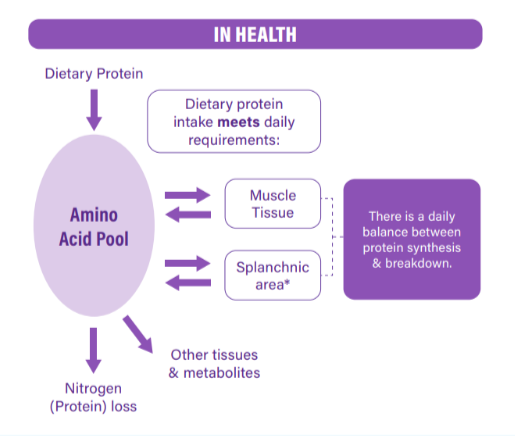
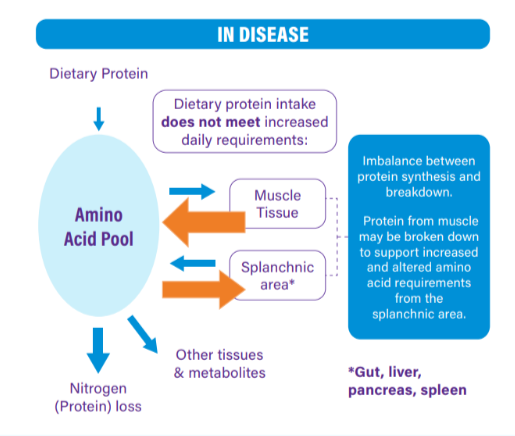
There are differences in amino acid metabolism in health compared to disease, resulting in different amino acid requirements13-14.

In conditions where protein intake is inadequate, ensuring high protein quality becomes even more important.

Ensuring medical nutrition products provide the right protein quantity and quality is important to improve outcomes such as wound healing, strength, and physical performance2,15.

WHAT IS PROTEIN QUALITY?

Protein quality is the capacity of a protein source to meet amino acid requirements to satisfy metabolic needs5,6.

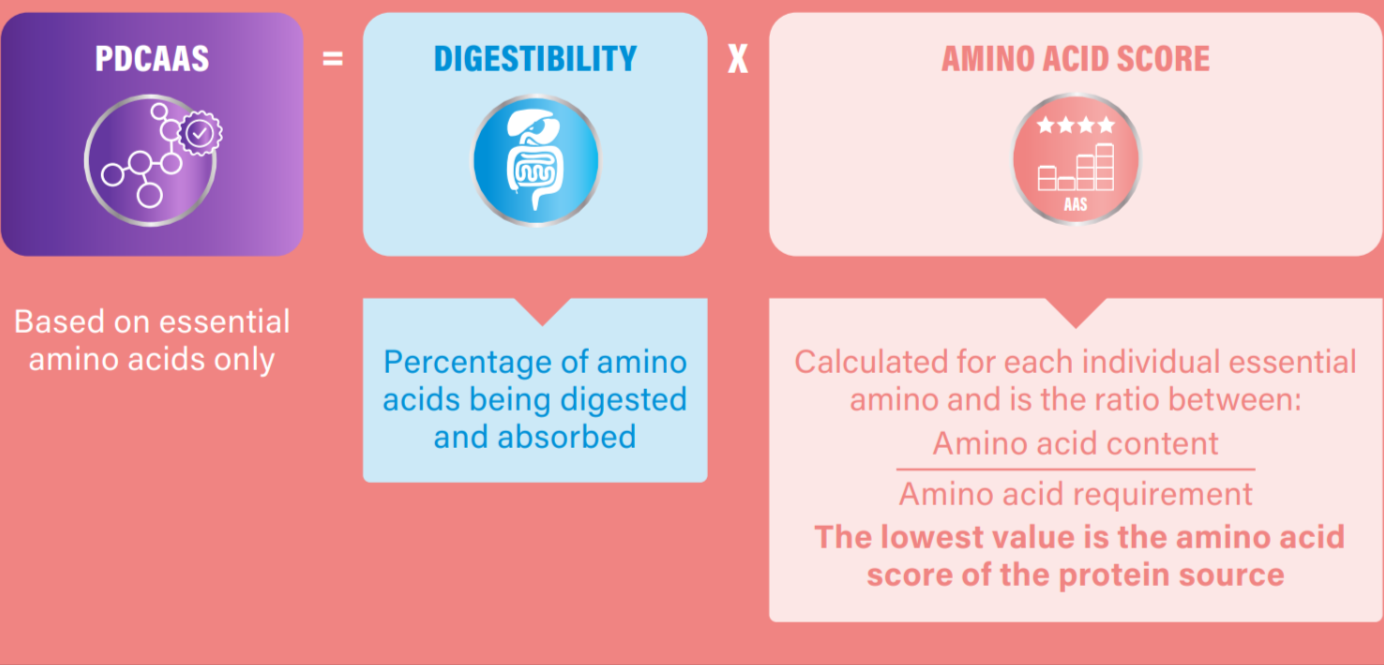
Protein Digestibility Corrected Amino Acid Score (PDCAAS) is a method to assess protein quality that is recognized by the Food and Agriculture Organization and World Health Organization5,6.

PDCAAS

PDCAAS of Dairy and Plant Proteins

Protein Isolate PDCAAS*
Casein 1,4
Whey 1,0
Soy 1,1
Pea 0,9

PDCAAS scores are normally truncated to 1, however, untruncated values have been reported to reflect true differences between protein sources.

*Calculated using average digestibility of 98,5%16-18 and FAO 2013 amino acid requirement references for adults6. Slight variations in PDCAAS possible due to differences in crops, batches, processing methods, protein content and analytical methods.

A protein source with a PDCAAS of 1 is considered high quality19.

Tube and ONS products with dairy, plant, or blends of different protein sources can achieve a PDCAAS of 1, indicating high protein quality.

Conditionally essential amino acids are also important to consider for protein quality4,7,8. Plant proteins are higher in some conditionally essential amino acids with soy and pea protein being particularly rich in arginine and glycine20,21 (higher than dairy proteins) important for immune function and metabolism9,10.

LIMITED KNOWLEDGE REMAINS ON PLANT VERSUS DAIRY PROTEINS.

Below is a summary of the scientific evidence on the functionality of plant proteins (pea & soy protein) compared to dairy proteins (casein & whey)*

STUDIES IN
PATIENTS22-26

Soy protein did not show inferiority to whey or casein on change in weight, lean body mass, muscle mass, muscle function or quality of life in all studies included.

STUDIES IN
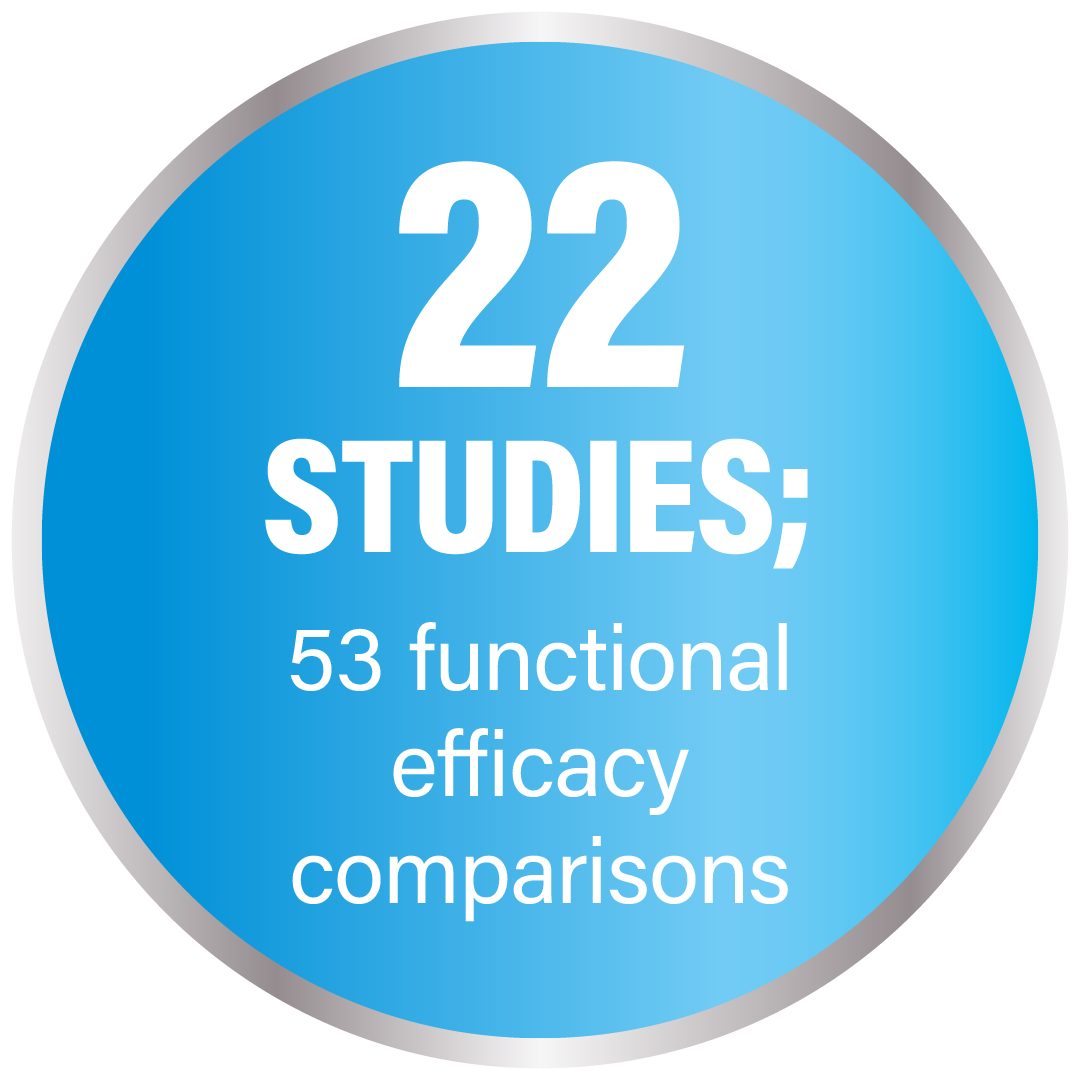
HEALTHY ADULTS27-48

Majority of studies (96% of study comparisons) did not show inferiority of pea & soy protein compared to whey or casein on either change in weight, lean body mass, muscle mass, muscle function.

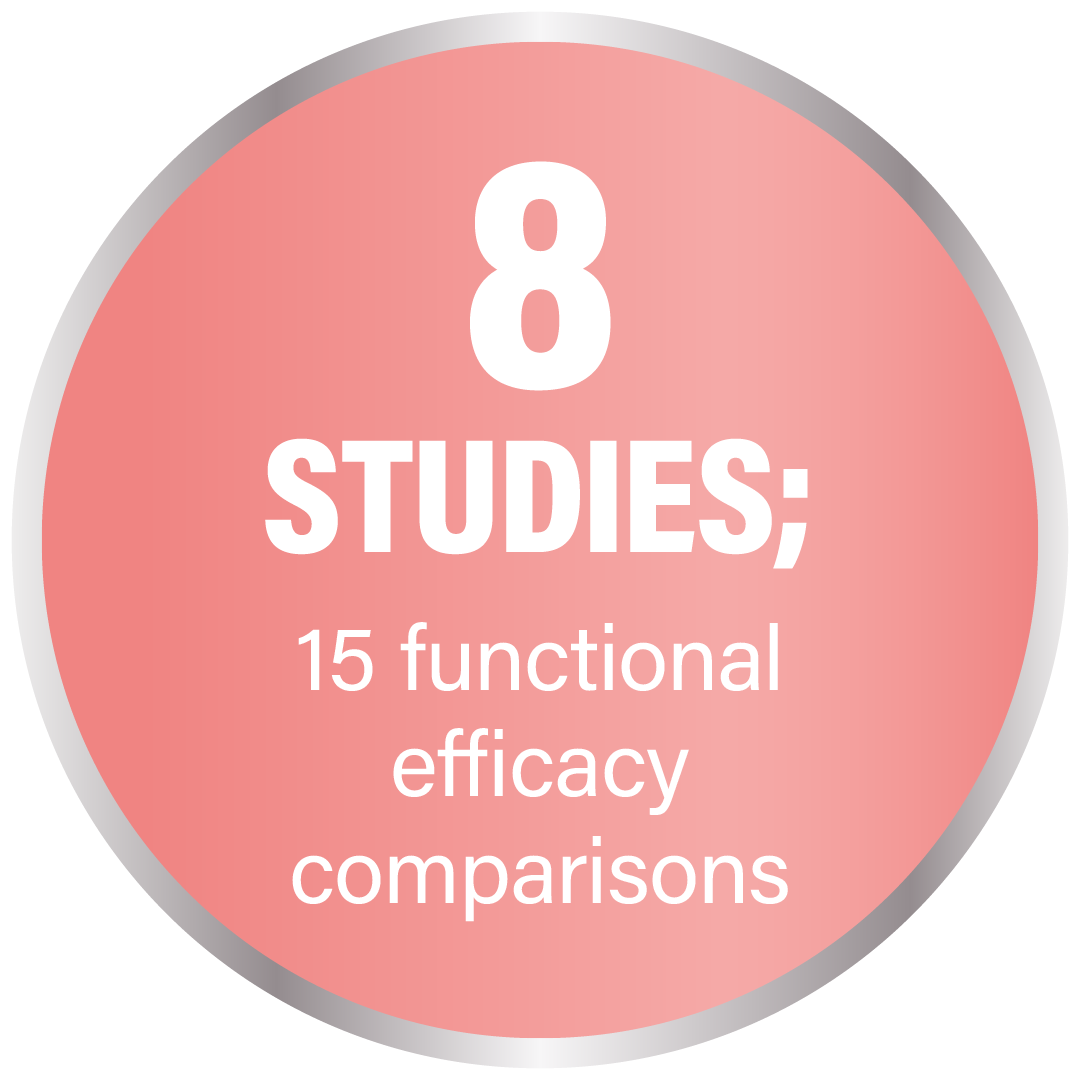
STUDIES IN OVERWEIGHT /OBESE ADULTS49-56

Majority of studies (87% of study comparisons) did not show inferiority of pea & soy protein compared to whey or casein on either weight and lean body mass.

SCIENTIFIC EVIDENCE SHOWS THAT PLANT PROTEINS (PEA AND SOY) ARE SIMILAR TO DAIRY PROTEINS (CASEIN AND WHEY) IN HEALTH RELATED OUTCOMES INCLUDING IMPROVEMENT IN BODY COMPOSITION, MUSCLE STRENGTH AND FUNCTION.

Conclusion

Protein from both dairy and plant sources can meet standards for protein quality and be considered high quality, and therefore meet the needs of patients requiring medical nutrition.

Ensuring adequate intake of high quality protein will have positive impacts on outcomes such as infections, wound healing, strength, and physical performance2,15.

Call to Action

Be confident that your patient’s needs can be met with medical nutrition products containing different sources of protein, including plant protein.

Work together with your patient to pick the tube feed or ONS that meets their lifestyle preferences and medical needs

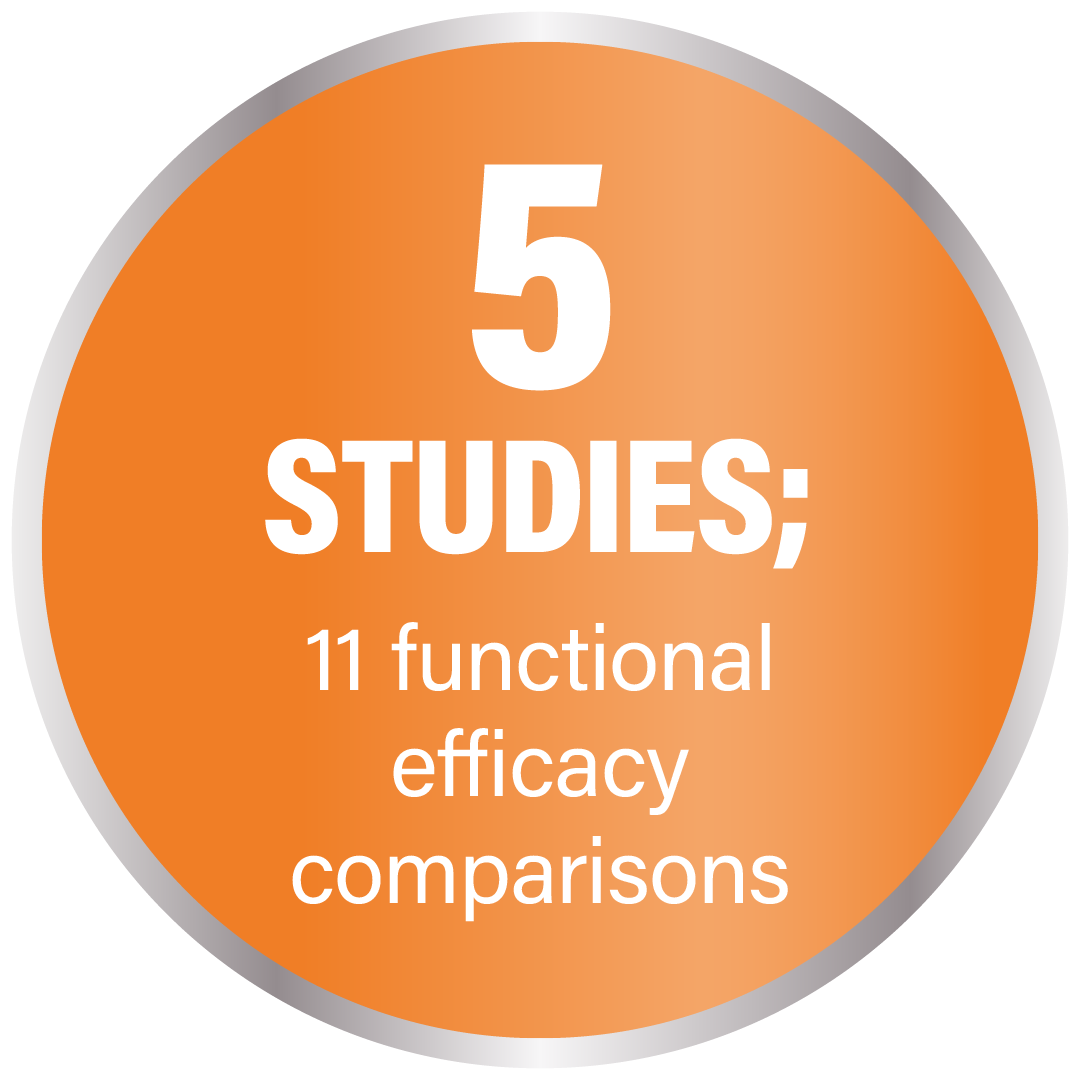
*Scientific literature search was performed in PUBMED scientific journal database which included studies from 2000 to 2022. Search criteria included human studies in healthy subjects, obese/overweight subjects & patients with each study directly comparing soy and/or pea to casein, whey and/or milk. Studies should include at least one of the following outcome parameters including body weight, lean body mass, muscle mass, muscle strength muscle function. The search delivered 190 publications which were evaluated and snowballing referencing resulted in 35 eligible publications for this review, 22 studies in healthy adults, 8 studies in overweight/obese and 5 studies in patients.57

References

  1. Ochoa Gautier et al. Nutr Clin Pract. 2017;32:6S-14S
  2. Hurt et al. Nutr Clin Pract. 2017;32:142S-51S
  3. Rostom & Shine et al. Surgery. 2018;36:153-158
  4. Hou et al. Exp Biol Med. 2015;240:997-1007
  5. Report of a joint FAO/WHO/UNU expert consultation. 2007
  6. Report of an FAO Expert Consultation. 2013
  7. Van der Meij et al. Int. J. Radiat. Biol. 2019; 95:4, 480-492
  8. Mast et al. Nutr Res Reviews. 2018;31.2:179-92
  9. Morris et al. Nutr Clin Pract. 2017;32.1:30S-47S
  10. Alves et al. Nutrients. 2019;11.6:1356
  11. Wu et al. Amino Acids. 2013;45.3:463-77
  12. McPerson et al. Curr Opin Clin Nutr Metab Care. 2011;14.6:562-8
  13. Jonker et al. Br. J. Nutr. 2012;108.S2:S139-48
  14. Weijs et al. Crit care. 2014;18.6:1-3
  15. Bauer et al. J Am Med Dir Assoc. 2013;14.8: 542-559
  16. Report of the Joint FAO/WHO Expert Consultation. 1991
  17. Rutherfurd et al. J Nutr. 2015;145:372-9
  18. Yang et al. Agro Food Ind Hi Tech. 2012;23:8-10
  19. Huang et al. Crit Rev Food Sci Nutr. 2018;58.15:2673-8
  20. Liu et al, Nutrients 2019, 11, 2613
  21. Gorissen et al, Proceedings of the Nutrition Society 2018, 77, 20-31
  22. Tomayko et al, Journal of renal nutrition. 2015 May 1;25(3):276-83
  23. Machado et al, Nutricion hospitalaria. 2015;31(4):1603-10
  24. Olsen et al, Bmj. 2014 May 15;348
  25. Boulhosa et al, 2013 Jul;26:7-15
  26. Capristo et al, Jan 1;12(1):5-11
  27. Hevia-Larraín et al. Sports Medicine 2021, 51:1317-30
  28. Lynch et al. Int J Environ Res Public Health 2020, 17(11):3871
  29. Banaszek et al. Sports 2019, 7(1):12
  30. Reidy et al. Med Sci Sports Exerc 2017, 49(6):1197
  31. Babault et al. J Int Soc Sports Nutr 2015, 12:1-9
  32. Berger et al. Nutr Res 2014, 34(1):66-73
  33. Moeller et al. Menopause 2003, 10(4):322-31
  34. Kjølbæk et al. Am J Clin Nutr 2017, 106(2):684-97
  35. Vupadhyayula et al. Menopause 2009, 16(2):320-8
  36. Kok et al. Maturitas 2005, 52(2):102-10
  37. Mobley et al. Nutrients 2017, 9(9):972
  38. Li et al. J Acad Nutr Diet 2021, 121(6):1035-48
  39. Liu et al. J Obes 2013, 2013
  40. Liu et al. Int J Obes 2010, 34(2):309-18
  41. Roschel et al. Clin Nutr 2021, 40(8):4849-58
  42. Volek et al, J Am Coll Nutr, 2013
  43. Hartman et al, AJCN, 2007
  44. Candow et al, Int J Sport Nutr Exerc Metab, 2006
  45. Kalman et al, J Int Soc Sports Nutr, 2007
  46. Brown et al, Nutrition J, 2004
  47. Thomson et al, Clin Nutr, 2016
  48. Maltais et al, J Strength Cond, Res, 2016
  49. Sites et al. Fertil Steril 2007, 88(6):1609-17
  50. Anderson et al. Metabolism 2007, 56(2):280-8
  51. Denysschen et al. Int J Sport Nutr Exerc Metab, 2009
  52. Baer et al. J Nutr 2011, 141(8):1489-94.
  53. Lukaszuk et al. J Am Diet Assoc 2007, 107(10):1811-4.
  54. Christie et al. Am J Obstet Gynecol 2010, 203(2):153-e1.
  55. Hector et al. J Nutr 2015, 145(2):246-52.
  56. Tahavorgar et al. Nutr Res 2014, 34(10):856-61.
  57. Hofman, et al. 2024;ESPEN24-ABS-1881

This Content is for Health Care Professionals Only

  1. Hofman, et al. 2024;ESPEN24-ABS-1881

Are you a healthcare professional or (carer of) a diagnosed patient?

The product information for this area of specialization is intended for healthcare professionals or (carers of) diagnosed patients only, as these products are for use under healthcare professional supervision.

Please click ‘Yes’ if you are a healthcare professional or (carer of) a diagnosed patient, or ‘No’ to be taken to a full list of our products.

The information on this page is intended for healthcare professionals only.

If you aren't a healthcare professional, you can visit the page with general information, by clicking 'I'm not a healthcare professional' below.

x